 made in the USA




Can You Replace a Single Cabinet Door?
If you’ve noticed a cracked panel, broken hinge, water damage, peeling finish, or a cabinet door that’s simply worn out after years of use, you’ve probably wondered:
Can you replace just one cabinet door instead of the entire kitchen?
The answer is yes — and in many cases, replacing a single cabinet door is the smartest and most cost-effective solution.
Whether you need one replacement cabinet door, a handful of matching doors, or eventually plan on a full kitchen update down the road, custom cabinet door replacement can restore the look of your kitchen without the expense of replacing your entire cabinetry system.
Why Homeowners Replace Single Cabinet Doors
Replacing a single cabinet door is more common than most people think. Homeowners often search for cabinet door replacement options because of:
- Water damage near sinks or dishwashers
- Warped doors from humidity
- Cracked wood panels
- Broken hinges or hinge tear-out
- Pet damage
- Accidental impacts
- Fading or discoloration
- Remodeling one section of a kitchen
- Updating a few doors before a full remodel later
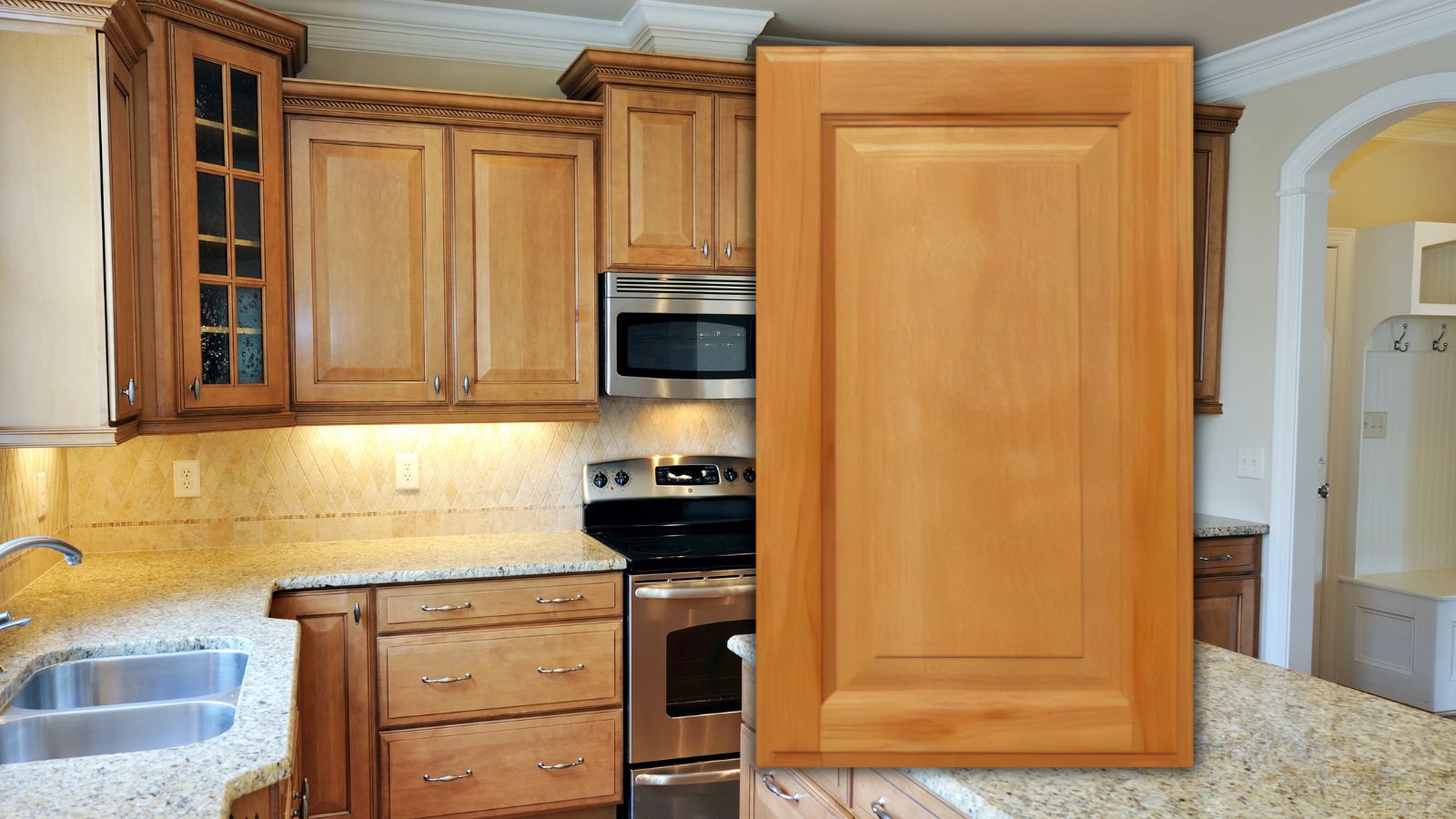
Many kitchens built in the 1980s, 1990s, and early 2000s used styles and finishes that are difficult to find at big box stores today. Even relatively simple styles like oak raised panel doors or early Shaker profiles can vary slightly between manufacturers.
That’s where custom replacement cabinet doors become important.
The Best Way to Replace a Single Cabinet Door
The easiest and most accurate way to replace one cabinet door is to:
The key to replacing one cabinet door is matching the details: style, wood species, overlay, hinge placement, and finish all need to work with the rest of your cabinetry.
- Match the existing door style
- Measure the current door correctly
- Match the wood species and finish as closely as possible
- Reuse or replace hinges
- Order a custom-made replacement cabinet door
While replacing a cabinet door sounds simple, matching an older cabinet door style can often be the hardest part.
Why Matching Older Cabinet Doors Can Be Difficult
One of the biggest frustrations homeowners face is trying to find a replacement cabinet door locally.
What Big Box Stores Usually Carry
- Limited sizes
- Limited wood species
- A small selection of styles
- Current production designs only
What Older Kitchens Often Have
- Custom profiles
- Regional cabinet manufacturers
- Discontinued door styles
- Unique stain colors
- Specialty woods
Why Matching One Cabinet Door Can Be Difficult
Even something as “simple” as an oak raised panel cabinet door may have:
- A different edge profile
- Different rail widths
- Different panel shapes
- Different overlay measurements
That’s why many homeowners turn to custom cabinet door manufacturers instead of trying to find an exact match off the shelf.
Common Cabinet Door Styles That Can Be Matched
Professional cabinet door replacement companies can reproduce many discontinued and hard-to-find cabinet door styles, including:
Traditional Cabinet Door Styles
- Raised square panel
- Raised arch panel
- Cathedral arch
- Flat arch
- Recessed panel
- Beadboard
Contemporary & Modern Styles
- Shaker cabinet doors
- Slim Shaker
- Slab cabinet doors
- Flat panel doors
- Minimalist modern profiles
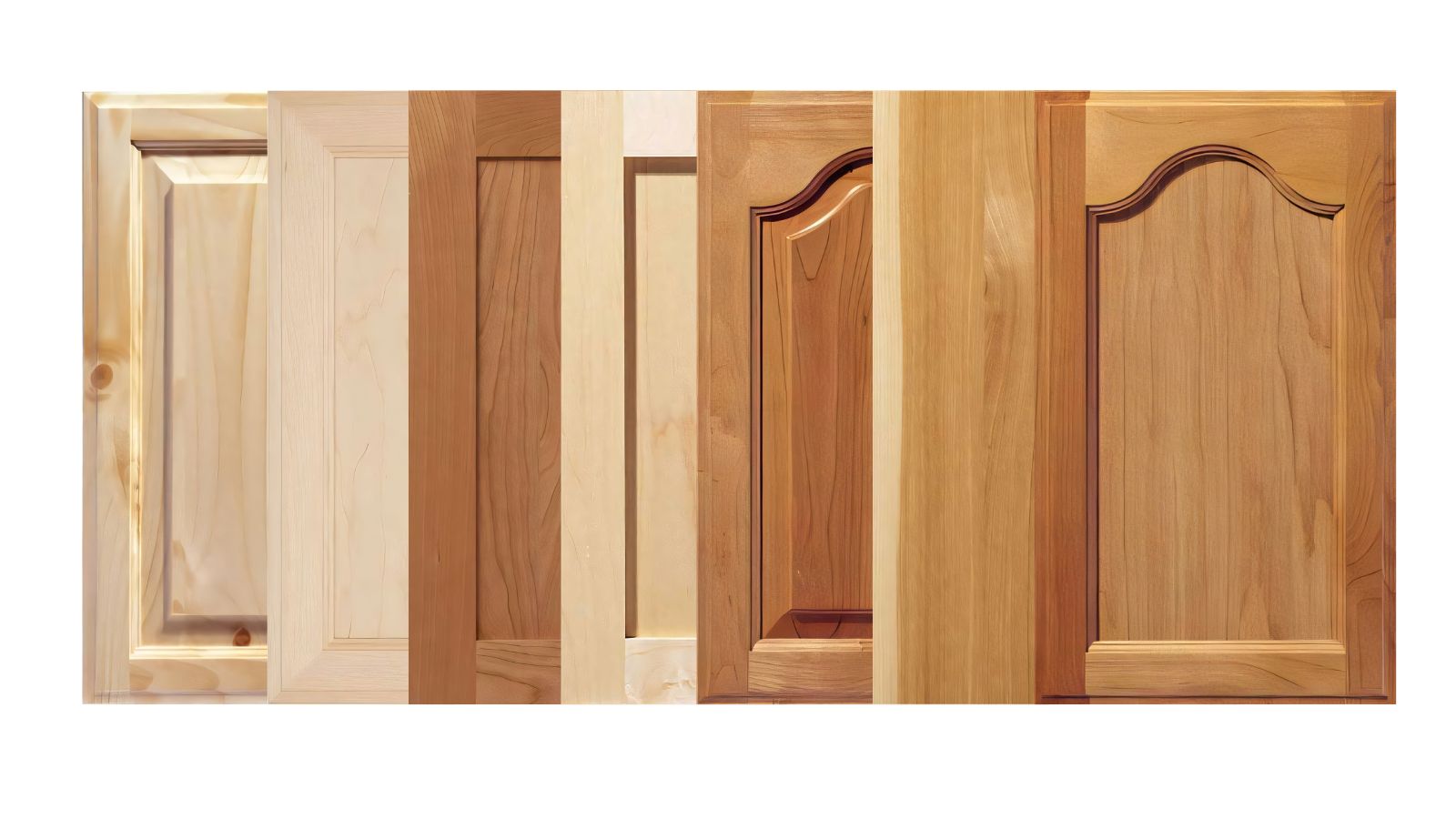
Matching the wood species is one of the most important parts of cabinet door replacement, especially in older kitchens where finishes and grain patterns may vary between manufacturers. Popular replacement cabinet door wood species include maple, white oak, red oak, cherry, alder, walnut, paint-grade MDF, and more.
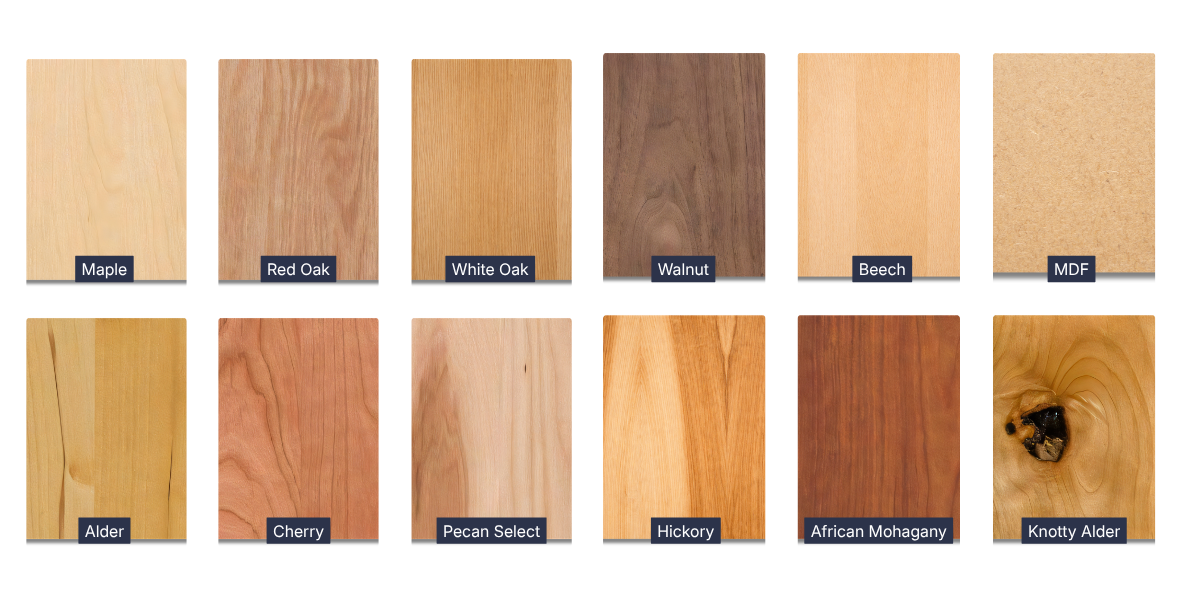
Replacement cabinet doors are available in a variety of wood species, including popular options like maple, oak, cherry, alder, and paint-grade materials.
How to Measure for a Replacement Cabinet Door
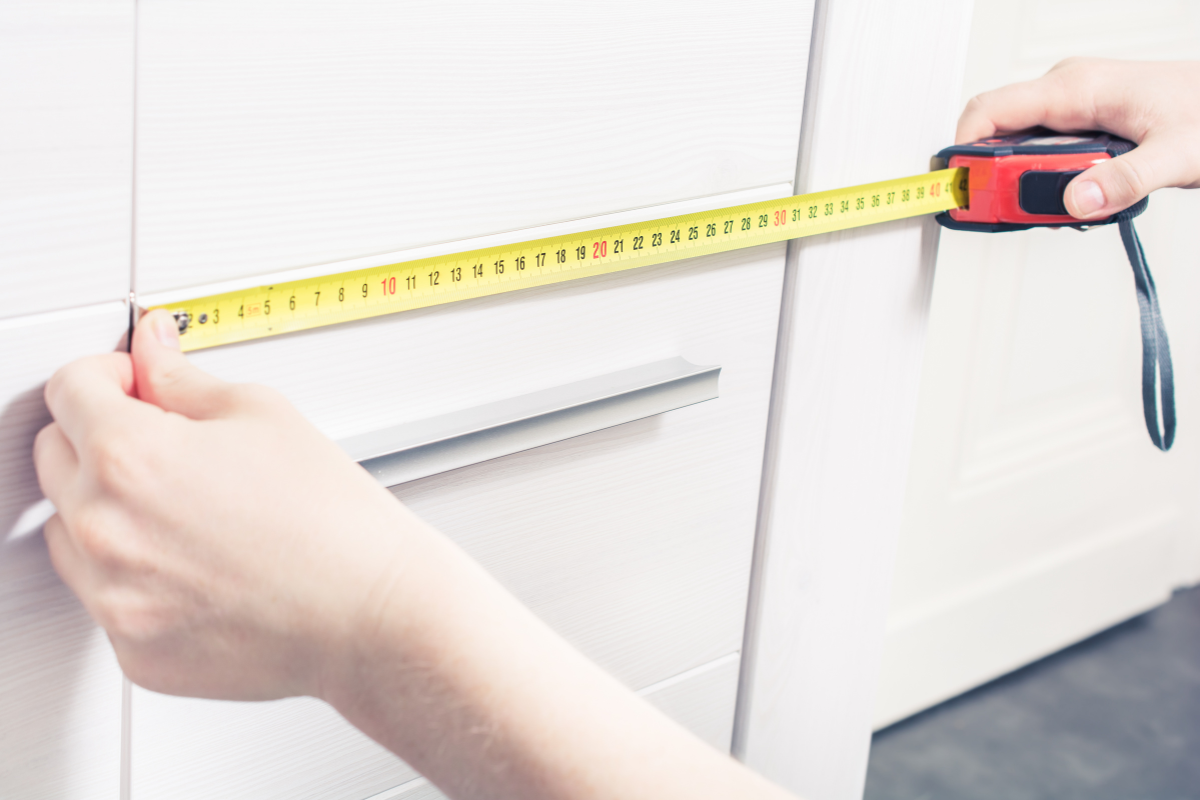
If your original cabinet door is still intact, measuring for a replacement cabinet door is fairly straightforward. Measure the following:
- Width (outside edge to outside edge)
- Height (outside edge to outside edge)
- Thickness
For the most accurate cabinet door replacement fit, always measure to the nearest 1/16".
Understanding Cabinet Door Overlay
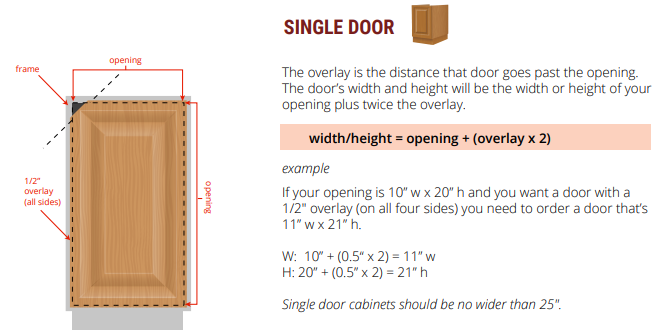
Overlay refers to how far the cabinet door extends past the cabinet opening.
Cabinet Door Overlay Example
If your cabinet opening is 10" wide x 20" high and you want a 1/2" overlay on all four sides, your replacement cabinet door size would be:
10" + (0.5" x 2) = 11" wide
20" + (0.5" x 2) = 21" high
Correct overlay sizing helps prevent door gaps, hinge alignment issues, drawer clearance problems, and an uneven finished appearance.
Helpful resources:
Can You Reuse Existing Cabinet Hinges?
In many cases, yes.
If your replacement cabinet door:
- Uses the same overlay
- Is the same thickness
- Has the same hinge placement
Then your current hinges may work perfectly.
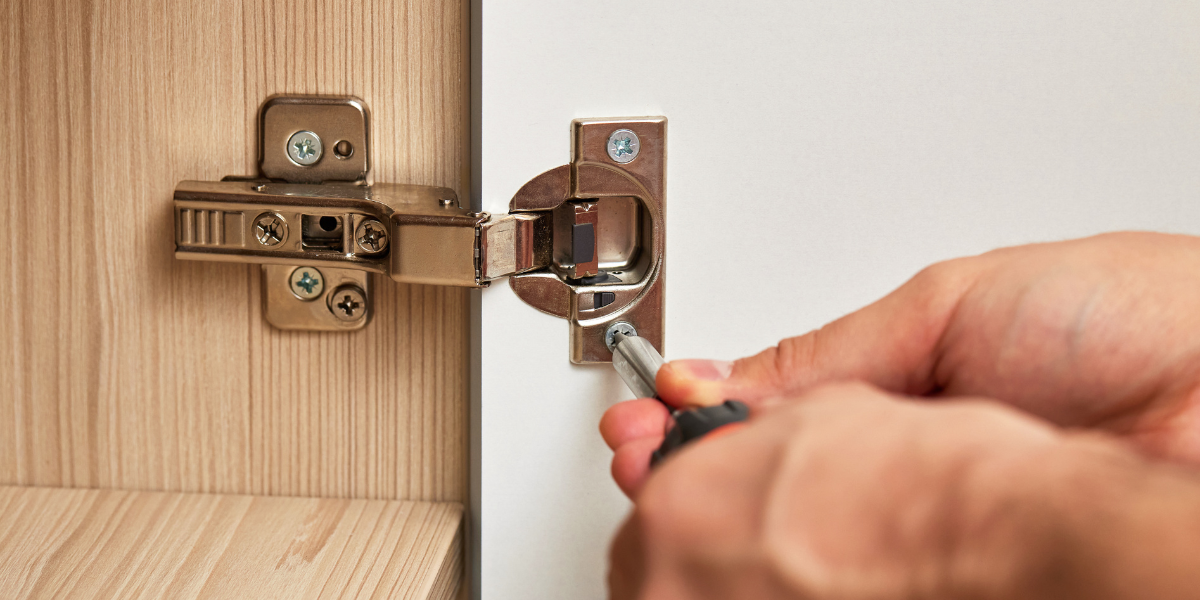
However, many homeowners choose to replace hinges during cabinet door replacement because:
- Old hinges may be worn out
- Soft-close hinges are an upgrade
- New hinges improve alignment
- Finish colors may not match
Bore Holes for Hinges
Most modern replacement cabinet doors can be ordered with hinge bore holes already drilled.
This is especially helpful for concealed European hinges.
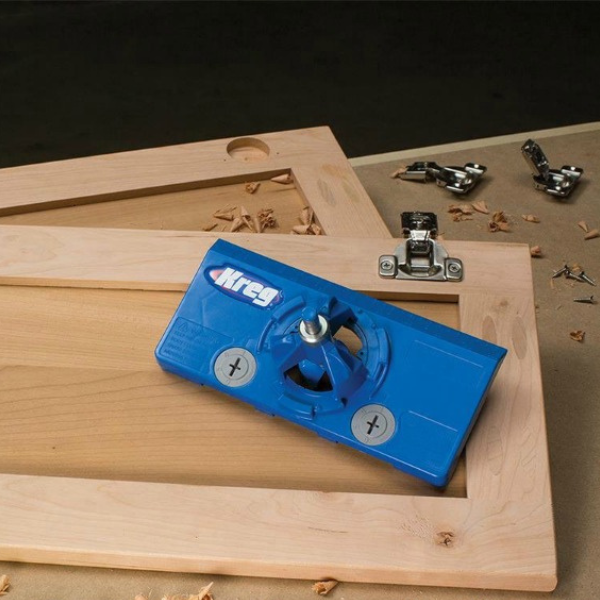
Pre-bored hinge holes:
- Save installation time
- Improve accuracy
- Reduce DIY mistakes
- Make replacement easier for homeowners
What If You Don’t Know Your Cabinet Manufacturer?
This is extremely common.
Many homeowners:
- Bought the home years later
- Lost paperwork
- Have discontinued cabinets
- Have older custom cabinetry
In these situations, visual matching online with professionals in the cabinet industry becomes the best option.
How to Match an Existing Cabinet Door Style
One of the easiest ways to identify a replacement cabinet door is through photo matching.
At CabinetNow, homeowners can use the free Match Your Doors service by uploading photos of:
- Front view of the cabinet door
- Inside edge profile
- Outside edge profile
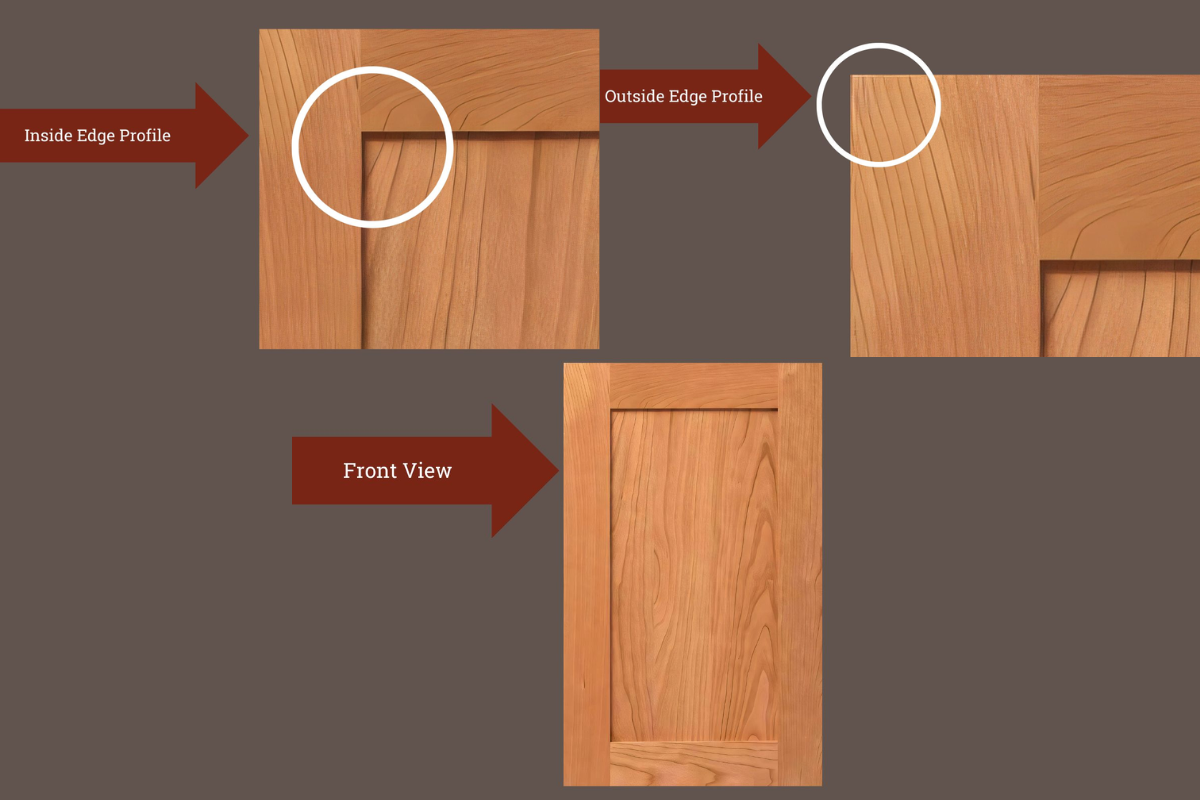
This helps cabinet specialists identify:
- Door style
- Wood species
- Panel profile
- Overlay style
- Construction details
- Matching replacement options
This process is especially helpful for:
- Older kitchens
- Discontinued cabinet styles
- Partial kitchen updates
- Single cabinet door replacement
For a more detailed guide, check out 3 Easy Ways to Match Existing Cabinet Doors.
Real Homeowner Example: Replacing One Broken Cabinet Door
One of the most common reasons homeowners look for a replacement cabinet door is accidental damage to an otherwise perfectly good kitchen.
In this case, a customer needed to replace a single damaged cabinet door while keeping the rest of the existing cabinetry unchanged. After matching the door style, wood species, and finish, the replacement was recreated using the Heritage cabinet door style.
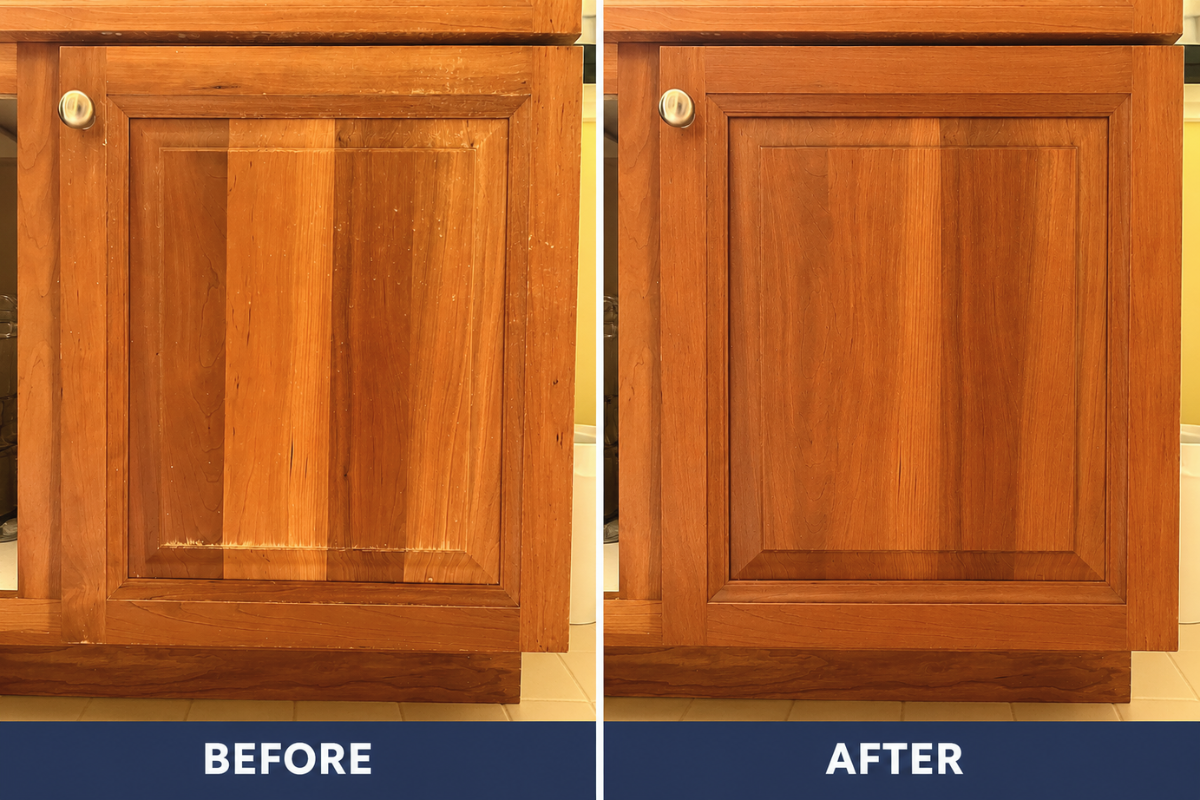
A real-life example of a single damaged cabinet door replaced with a custom-matched Heritage-style replacement cabinet door while keeping the rest of the kitchen cabinetry unchanged.
Many homeowners run into similar situations, especially with kitchens from the 1990s and early 2000s where matching the original cabinet door style can be difficult. In fact, replacement cabinet door discussions are common on homeowner forums like Reddit, where people often ask how to match older cabinet doors without replacing the entire kitchen.
The good news is that many traditional cabinet door styles can still be recreated today with custom sizing and matching services.
Final Thoughts: Yes, You Can Replace a Single Cabinet Door
Replacing a single cabinet door is not only possible — it’s extremely common.
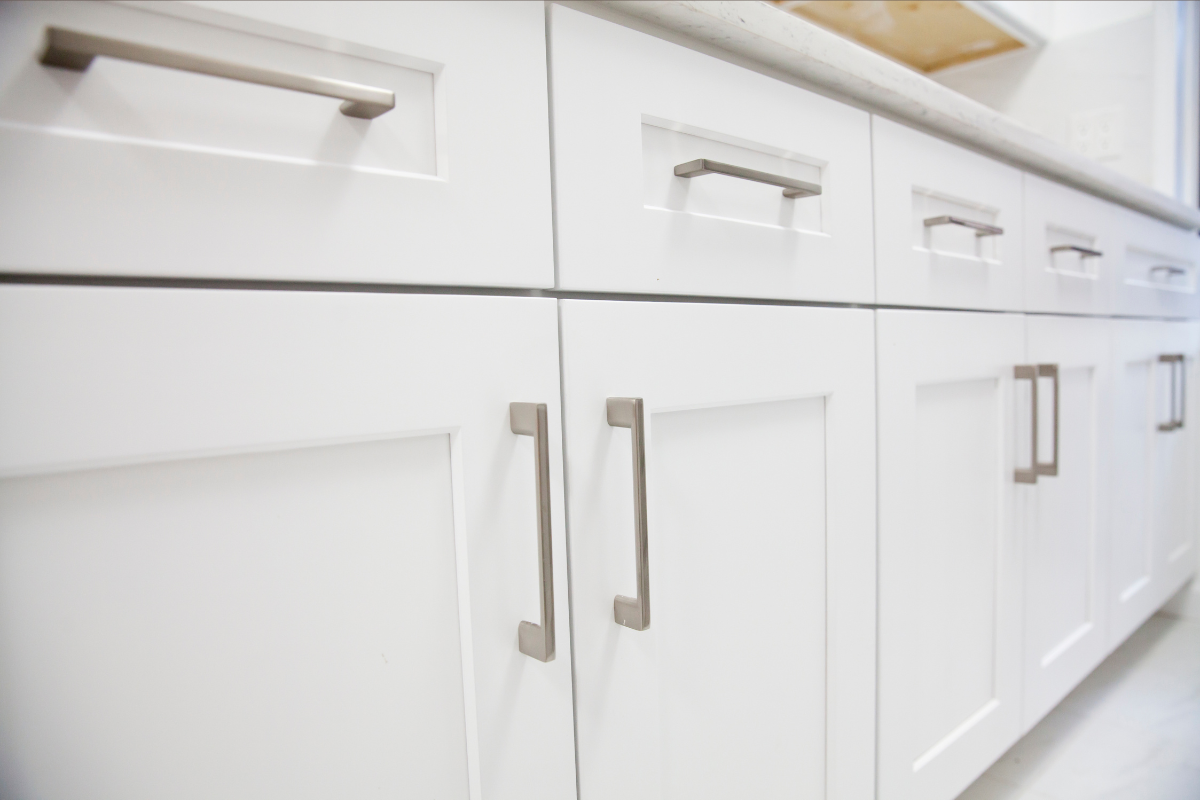
Whether your cabinet door was damaged, warped, cracked, outdated, or missing entirely, a custom replacement cabinet door can help restore the appearance of your kitchen without replacing the entire cabinetry system. The key is accurately matching the cabinet door style, wood species, overlay, measurements, and hinge configuration so the new door blends naturally with the rest of your cabinetry.
For older kitchens or discontinued cabinet styles, finding a close match can sometimes be the hardest part. That’s why many homeowners use services like Match Your Doors, where cabinet door specialists help identify matching replacement cabinet doors based on photos of the existing door profile and construction details.